

What Determines Your Denture Cost at Pinnacle Dental
If you’re researching the cost of dentures near you, the most honest answer is this: it depends on you. No two mouths are the same, so no two denture treatment plans are the same either. What we can do is walk you through exactly what shapes the cost, so you arrive at your consultation informed, confident, and ready to ask the right questions.
At Pinnacle Dental in Farmington, CT, Dr. Tyler DeLaurentis and our team believe every patient deserves a clear, itemized estimate before any treatment begins. Whether you’re missing a few teeth or replacing an entire arch, this page explains every type of denture, what moves the cost up or down in Connecticut, how dental insurance fits in, and how to make treatment manageable with financing and payment options.
Ready for a personalized cost estimate? Call our Farmington dental office at (860) 470-3660 or schedule a consultation online. We welcome patients in Farmington, Plainville, New Britain, Hartford, West Hartford, and Newington.

Why We Don’t List Denture Prices Online
Denture costs vary widely, and a single number on a web page can’t reflect your situation. The type of denture, the materials, whether you need extractions or bone grafting first, and how many arches you’re replacing all change the total. Rather than give you a figure that may not apply to you, Dr. DeLaurentis builds a personalized, itemized treatment plan after examining your mouth. You’ll see exactly what each step involves and what your insurance may contribute, with no surprises along the way.
Denture Types at a Glance
The type of denture you choose is the single biggest factor in your total cost. This overview shows how the options compare on fit, stability, and what each is best suited for, so you can see which direction fits your needs before your consultation.
| Denture Type | Best For | What to Expect |
| Basic Full Dentures | Patients needing full-arch replacement who want a practical, entry-level option | Restores eating and speaking; may need more adjustments as gum tissue changes |
| Premium Full Dentures | Patients who want a natural look, a better fit, and longer wear | Higher-quality materials and closer color match; typically last 5 to 10 years with proper care |
| Partial Dentures | Patients who still have healthy natural teeth | Framework clips to remaining teeth; fills gaps and helps prevent shifting |
| Immediate Dentures | Patients who want teeth placed the same day as extractions | Temporary while gums heal; adjustments or a reline are needed over the following months |
| Snap-In Dentures | Patients who want implant stability with a removable denture | Anchored by 2 to 4 implants per arch; removable for cleaning |
| Fixed Implant-Supported Dentures | Patients seeking maximum stability and a permanent feel | Secured by 4 to 6 implants per arch; removed only by your dentist |
Your treatment plan also accounts for any preparatory care, such as extractions, bone grafting, or gum disease treatment. Dr. DeLaurentis will review all of it with you at your consultation.
Types of Dentures: Which One Is Right for You?
Not all dentures are created equal. Here’s what each option means for your daily life, not just your budget.
Complete dentures replace all of the teeth in your upper arch, lower arch, or both. They rest on your gums and are held in place by a combination of suction, your natural oral anatomy, and, if you choose, a denture adhesive.
- Basic complete dentures are a practical, accessible entry point. They restore your ability to eat and speak but may need more adjustments over time as your gum tissue changes shape.
- Premium complete dentures are crafted with higher-quality materials, more precise impressions, and a closer color match to your natural gum tissue. They tend to fit better, look more natural, and last longer, typically 5 to 10 years with proper care.
Cost considerations: Your investment depends on the material and level of customization you choose and on whether you’re replacing one arch or both.
If you still have healthy, natural teeth, you don’t necessarily need a full set. Partial dentures fill in the gaps using a framework, either acrylic or metal, that clips or clasps to your remaining teeth.
- Metal-framework partials are generally preferred for their durability, thinner profile, and better long-term fit.
- Acrylic partials are often more affordable upfront and are frequently used as a transitional solution while permanent treatment is planned.
Leaving gaps in your smile isn’t just a cosmetic issue. Missing teeth allow neighboring teeth to drift, contribute to jawbone loss over time, and can affect how you chew and speak. Partials address all of this and are typically more accessible than full dentures.
Cost considerations: Framework material (metal or acrylic) and the number of teeth being replaced are the main drivers.
Immediate dentures are placed the same day your remaining teeth are extracted, so you walk out of the office with a full smile and no waiting period.
The tradeoff is that immediate dentures are considered temporary. As your gums heal and shrink after extractions, the fit changes, which calls for adjustments or a reline over the following weeks and months. Most patients transition to a permanent set once healing is complete, typically within 6 to 12 months.
If you can’t imagine going through daily life without teeth during the healing period, immediate dentures are worth considering.
Cost considerations: Because immediate dentures are a temporary step, your overall plan also includes the permanent replacement set once healing is complete. Dr. DeLaurentis will outline both phases in your itemized estimate.
Implant-supported dentures are the premium tier of tooth replacement, and for good reason. Small titanium posts are surgically placed into your jawbone, and the denture anchors directly to them. The result is a denture that doesn’t slip, doesn’t require adhesive, and can handle the biting force needed to eat virtually any food.
Beyond comfort and stability, there’s an important health reason to consider implants: they stimulate the jawbone and help prevent the bone loss that follows tooth loss. Traditional dentures sit on top of the gum and don’t stimulate the bone below.
- Snap-in dentures (overdentures) use 2 to 4 implants per arch, and the denture can be removed for cleaning. They offer significantly better stability than traditional dentures, with a smaller investment than fully fixed implant restorations.
- Fixed implant dentures (like All-on-4) use 4 to 6 implants per arch, and the denture is permanently secured, removable only by your dentist. This is the closest experience to having your natural teeth back.
Cost considerations: Implant-supported options represent a larger investment than traditional removable dentures. The number of implants, the style of denture, and any preparatory work such as bone grafting all shape your total.
Not every patient is an immediate candidate for implants, but preparatory procedures like bone grafting can often make implant treatment possible. Dr. DeLaurentis can assess your candidacy at your consultation.
What Factors Affect the Total Cost of Dentures?
Your final cost is shaped by several variables. Here’s what moves it up or down, and what you can do about it.
- Type of denture. As outlined above, this is the biggest single factor. Implant-supported options cost significantly more than traditional removable dentures.
- Materials used. Acrylic resin is the most common and accessible choice. Porcelain teeth look exceptionally natural and resist staining, but they add to the cost and are heavier. Zirconia, increasingly popular in premium dentures, offers superior strength and aesthetics. The choice isn’t purely cosmetic, since some materials genuinely last longer and keep their fit better over time.
- Preparatory procedures. Teeth that need to be extracted before denture placement add to the total, with the amount depending on how many teeth are involved and how complex each extraction is. Patients with significant bone loss may need bone grafting before implant placement is possible, and untreated gum disease must be resolved before dentures can be fitted. None of this is a surprise when Dr. DeLaurentis reviews your case, because each step is itemized in your treatment plan.
- Number of arches. Replacing both the upper and lower arches will roughly double the cost compared to a single arch.
- Customization and fit. Custom-fit dentures, made from impressions of your mouth’s specific contours, cost more than prefabricated options but deliver better comfort, appearance, and longevity.
- Your dentist’s experience. Dentists who focus on dentures and restorative care typically charge more than general practitioners. Dr. DeLaurentis’s focus on implant, cosmetic, and restorative dentistry means you’re working with a dentist who understands how to get a result that looks and feels natural.
- Geographic location. Connecticut dental costs run higher than those in many Midwest or rural markets. Farmington and the greater Hartford area are in line with typical Connecticut costs.
What to Expect at Your Denture Consultation
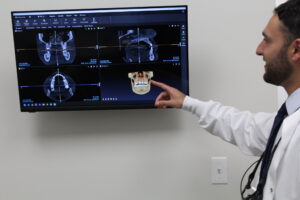
Knowing what happens at your first visit takes the guesswork out of getting an accurate estimate. When you meet with Dr. DeLaurentis, you can expect:
- A thorough oral health exam to evaluate your remaining teeth, gums, and jawbone.
- A conversation about your goals, including how you eat, speak, and want your smile to look.
- A review of your options, from traditional dentures to implant-supported solutions, with honest guidance on which fits your situation.
- A complete, itemized treatment plan that covers every step, including any preparatory care.
- An insurance and financing review, so you know what your plan may contribute and how to spread out the remainder.
Does Dental Insurance Cover the Cost of Dentures?
Often, yes. Most dental insurance plans classify dentures as a major restorative procedure and cover a portion of the cost, up to your plan’s annual maximum. Here’s how to read the fine print on your own policy:
- Waiting periods. Many plans require you to have been enrolled for 6 to 12 months before they’ll pay for major procedures. If you’re choosing insurance specifically to cover upcoming denture treatment, time your enrollment accordingly.
- Annual maximums. Most dental plans cap the benefits they pay each year, so even a plan that covers a share of denture treatment may leave a balance to plan for. Knowing your maximum upfront helps you arrange financing alongside your coverage.
- In-network vs. out-of-network. Pinnacle Dental works with many major insurance carriers. In-network providers have pre-negotiated rates that reduce your out-of-pocket costs. Call our front desk at (860) 470-3660 and we’ll verify your coverage before your consultation.
- Preauthorization. Some insurers require approval before a major procedure begins. We handle this process routinely and can submit it on your behalf.
What insurance typically does not cover: Implant-supported dentures are often excluded from standard dental insurance policies, since many carriers still classify implants as cosmetic. Some supplemental plans and premium coverage tiers do provide partial implant coverage, so it’s worth checking whether yours does.
Denture Financing Options in Farmington, CT
Insurance covers part of the cost for many patients, but rarely all of it. Here’s how Pinnacle Dental patients make treatment fit their budget:
- CareCredit. One of the most widely used dental financing solutions, CareCredit offers deferred-interest promotional periods (typically 6 to 24 months) and longer-term financing plans. Many patients use it to cover the balance their insurance doesn’t.
- Sunbit. Sunbit offers a fast, easy approval process with monthly payment options, which is useful if you need treatment quickly and want to spread out the cost.
- In-House Membership Plan. No dental insurance? Our Clerri membership plan provides covered preventive care and discounts on restorative treatments, including dentures, for a flat annual fee. It’s an excellent option for uninsured or underinsured patients.
- HSA/FSA funds. If your employer offers a Health Savings Account or Flexible Spending Account, denture treatment qualifies as an eligible expense. Paying with pre-tax dollars effectively lowers the real cost of treatment.
Is Getting Dentures Worth It?
The investment question is a real one, and we won’t sidestep it. Missing teeth affect far more than your smile. They change your ability to chew a varied diet, your speech clarity, your facial structure (bone and muscle loss accelerates after tooth loss), and, for most patients, confidence in social and professional situations. These are measurable quality-of-life outcomes, not just cosmetic concerns.
Traditional dentures restore function and appearance with the smallest upfront investment, but they require ongoing maintenance and adjustment as your mouth changes. Implant-supported options involve a larger upfront investment, yet they deliver superior long-term outcomes, help preserve your jawbone, and typically need less frequent replacement.
The right choice isn’t the least expensive or the most expensive one. It’s the one that matches your oral health, your daily life, and your realistic budget. That’s the conversation Dr. DeLaurentis is here to have with you.
Frequently Asked Questions
Pinnacle Dental accepts most major dental insurance plans, offers CareCredit and Sunbit, and provides an in-house membership plan for uninsured patients. We also accept HSA/FSA funds. Affordable doesn’t have to mean basic. We’ll help you find the best solution for your clinical needs and your budget.
Economy dentures are prefabricated or semi-custom and may fit adequately at first, but they tend to need more frequent adjustments and replacement, and they often look less natural. Premium dentures are custom-crafted to your jaw shape, coloration, and facial structure. They fit better, last longer, and look significantly more natural. Many patients who start with budget dentures end up investing more over time as they replace or adjust them.
For many patients, yes. The key advantages are stability (no slipping), jawbone preservation, and a more natural eating experience. Whether they’re right for you depends on your bone health, how long you intend to wear them, and your lifestyle. Dr. DeLaurentis can assess your candidacy during a consultation.
Yes. Your consultation includes a complete, itemized breakdown of your treatment plan before any work begins, along with a review of your insurance benefits and financing options.
Get Your Personalized Denture Cost Estimate at Our Farmington Dental Office
Understanding what shapes the cost of dentures is the first step. The second is finding out exactly what your treatment would involve. At Pinnacle Dental, Dr. Tyler DeLaurentis provides thorough consultations where he’ll assess your oral health, explain your options honestly, and give you a complete, itemized estimate before any treatment begins.
There are no surprises here, just a clear path to a smile that works. Call our dental practice in Farmington at (860) 470-3660 to request an appointment. We serve patients from Farmington, Plainville, New Britain, Hartford, Newington, Bristol, Avon, Simsbury, Canton, and all surrounding areas.