

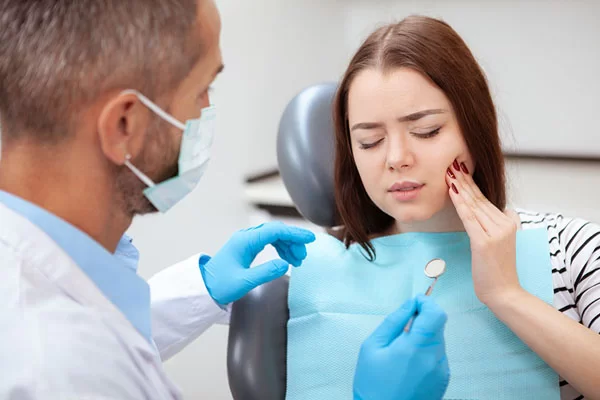
Dental Crown Care Tips From a Farmington Dentist
If you’ve recently gotten a dental crown—or you’ve had one for years—you may be wondering, how long should my crown last?
Dental crowns are one of the most reliable restorations in modern dentistry. They protect damaged teeth, restore chewing strength, and help patients feel confident about their smiles again. But while crowns are built to be durable, certain everyday habits can cause them to wear down or fail sooner than expected.
As we move into the beginning of the new year, February is the perfect time to reset your oral health routines and make sure your dental work stays strong for years to come.
At Pinnacle Dental, Dr. Tyler DeLaurentis, a dentist in Farmington, CT, helps patients protect their crowns and maintain long-lasting smiles. Contact our Farmington dental practice at (860) 470-3660 to schedule your dental appointment. Whether you live in Farmington or nearby communities like Plainville, New Britain, Hartford, or Newington, our team is here to help.
How Long Should a Dental Crown Last?
A dental crown is a custom-made “cap” placed over a tooth to restore its shape, function, and strength. Crowns are commonly used after:
- Large cavities
- Cracked or broken teeth
- Root canal treatment
- Worn-down teeth
- Cosmetic improvements
Proper care of your dental crowns can help them last 10 to 15 years or longer. Their lifespan depends on several factors, including:
- The type of crown material (porcelain, zirconia, gold, etc.)
- Your bite alignment
- Oral hygiene habits
- Teeth grinding or clenching
- Routine dental checkups
Crowns are strong—but they still require the same care and attention as natural teeth.

Top 3 Mistakes That Can Shorten the Life of Your Dental Crown
Let’s look at the most common crown-damaging mistakes—and how you can avoid them.
One of the fastest ways to damage a crown is to treat it like it’s indestructible.
Crowns are designed to handle normal chewing, but biting down on hard objects can cause:
- Chips in porcelain crowns
- Cracks in ceramic materials
- Damage to the tooth underneath
- Crown loosening over time
Common habits that shorten crown lifespan include:
- Chewing ice
- Crunching hard candy
- Biting popcorn kernels
- Opening packaging with your teeth
- Chewing on pens or fingernails
Even if your crown feels fine afterward, repeated stress can weaken it slowly over time.
New Year tip: If one of your resolutions is improving your health, start with small changes—like avoiding harmful chewing habits that can lead to unexpected dental repairs.
If you notice rough edges, discomfort, or a crown that doesn’t feel quite right, it’s best to have it checked early before the problem worsens. Contact our Farmington dental office at (860) 470-3660 to schedule your dental appointment.
Many patients assume that because a crown covers the tooth, it’s protected from cavities. Unfortunately, that’s not entirely true.
A crown protects the outer structure of the tooth, but decay can still develop at the gumline, where the crown meets the natural tooth. Plaque buildup in that area can lead to:
- Cavities beneath the crown
- Gum inflammation
- Crown failure
- The need for replacement
To keep your crown healthy, you should:
- Brush twice daily with fluoride toothpaste
- Floss carefully around the crown every day
- Consider using a water flosser for added support
- Keep up with professional cleanings
Crowns don’t require complicated care—just consistent habits.
At Pinnacle Dental, Dr. DeLaurentis emphasizes preventive care so your restorations stay strong and your natural teeth remain healthy underneath.
One of the biggest hidden threats to dental crowns is teeth grinding or clenching, also known as bruxism.
Grinding places extreme pressure on your crown—often more force than normal chewing. Over time, this can cause:
- Cracks or fractures
- Crown loosening
- Premature wear
- Jaw pain and headaches
Signs you may be grinding your teeth include:
- Waking up with jaw soreness
- Frequent headaches
- Flattened or worn teeth
- Tooth sensitivity
- Crowns that feel sore or stressed
Solutions may include a custom night guard, bite adjustments, or monitoring crown wear during exams. Many patients don’t realize they grind until a crown begins showing damage. Addressing it early can prevent costly repairs later.
In addition to the top three mistakes, these factors can also shorten the life of a crown:
- Skipping dental checkups
- Smoking or tobacco use
- Chewing sticky foods frequently
- Waiting too long to fix a loose crown
A small issue—like a crown that feels slightly off—can become a much bigger problem if ignored.
How to Make Your Dental Crown Last Longer This Year
If you want your crown to last as long as possible, focus on these simple habits:
- Avoid chewing hard or non-food items
- Brush and floss daily, especially around the gumline
- Wear a night guard if you grind your teeth
- Visit your dentist regularly for cleanings and exams
- Call early if you feel sensitivity, looseness, or discomfort
Crowns are meant to restore your smile for the long term—and a little prevention goes a long way.

Schedule a Crown Checkup in Farmington, CT
If you have a crown that feels loose, uncomfortable, or hasn’t been evaluated in a while, the team at Pinnacle Dental is here to help. Dr. Tyler DeLaurentis, a dentist in Farmington, CT, provides restorative care and personalized treatment to help your dental crowns last for years to come.
Call our dental office in Farmington at (860) 470-3660 to schedule an appointment at Pinnacle Dental. We proudly welcome patients from Plainville, New Britain, Hartford, and Newington, CT. Start the new year with a healthy, confident smile—schedule your crown evaluation today.